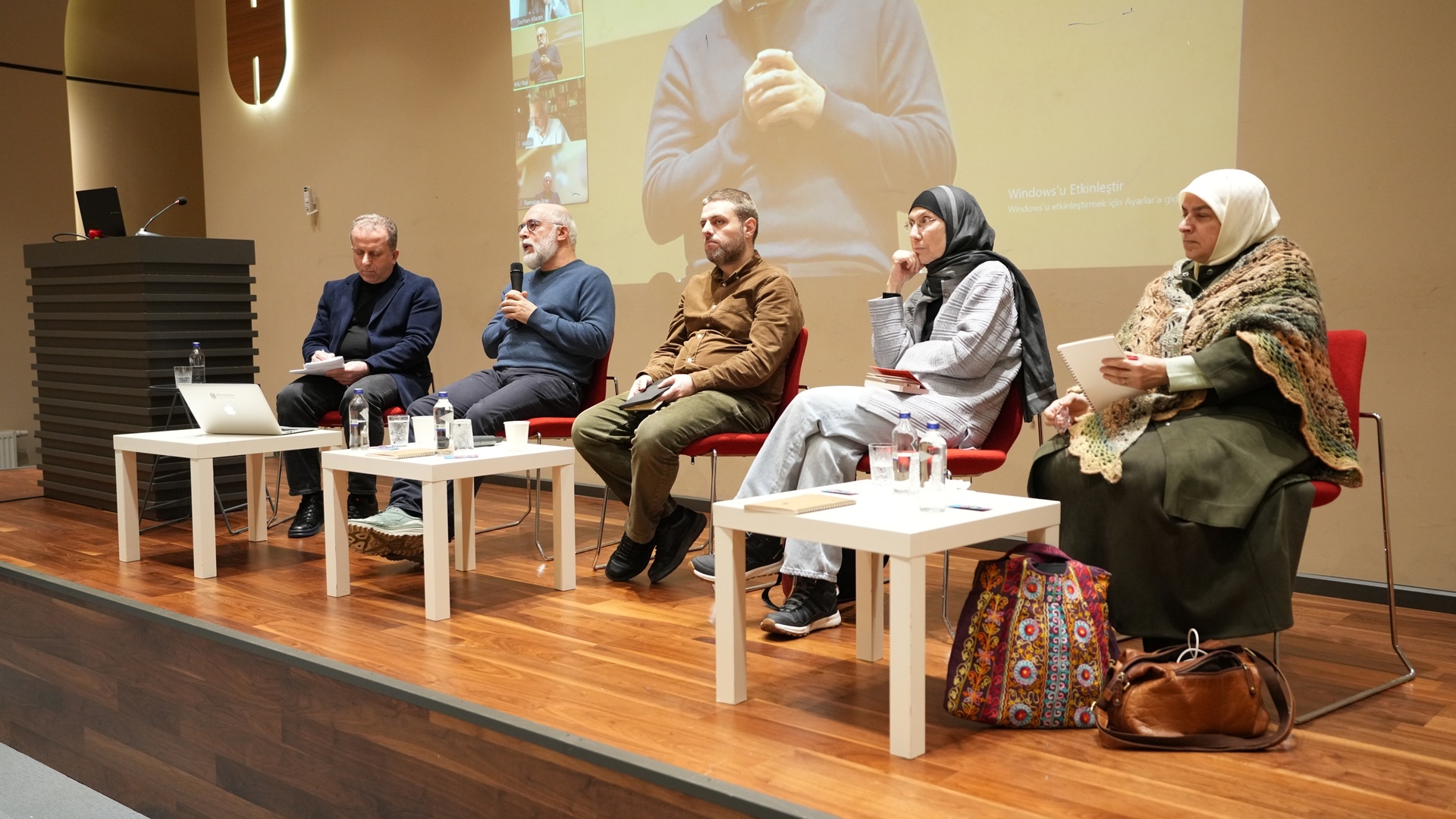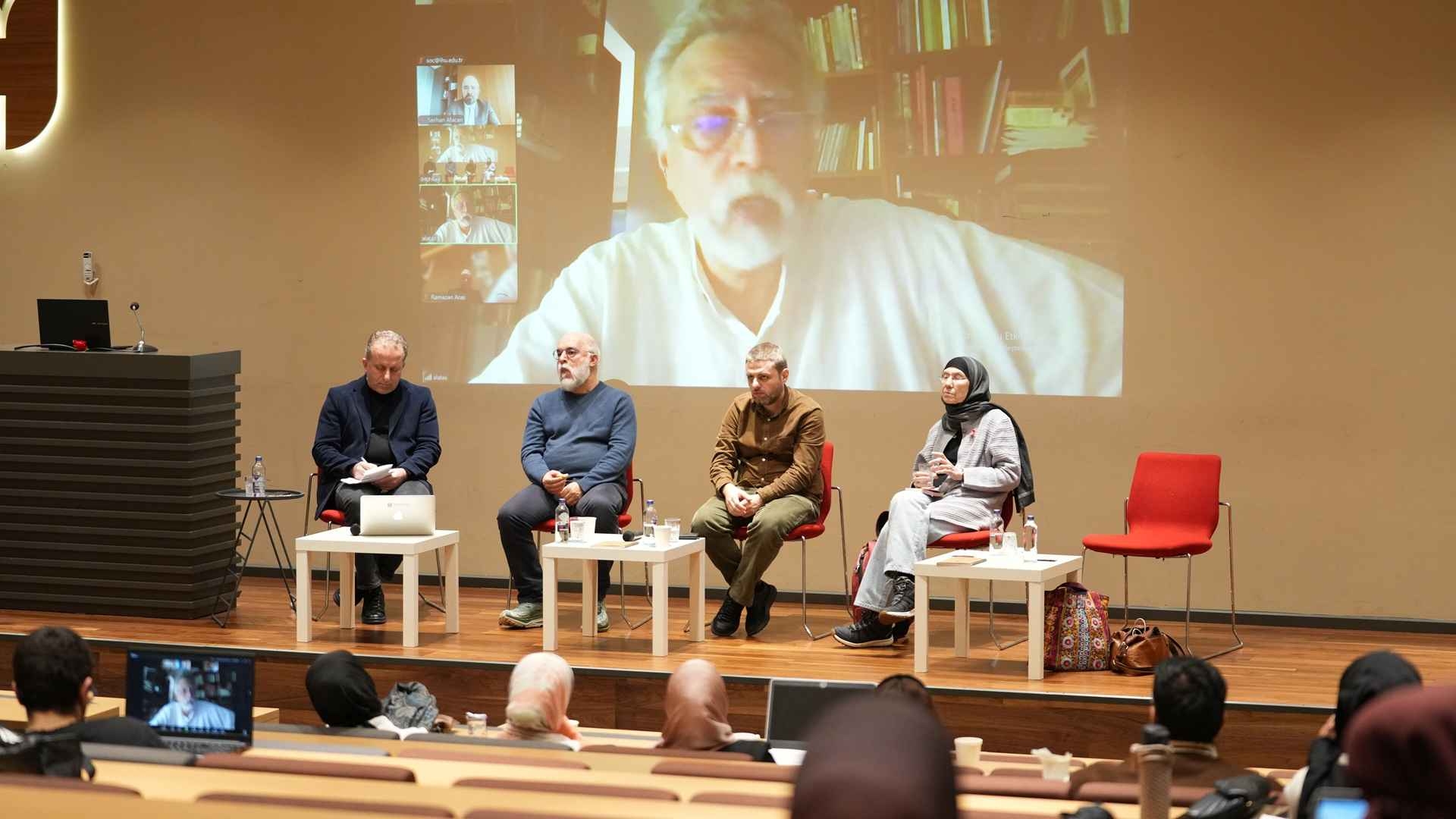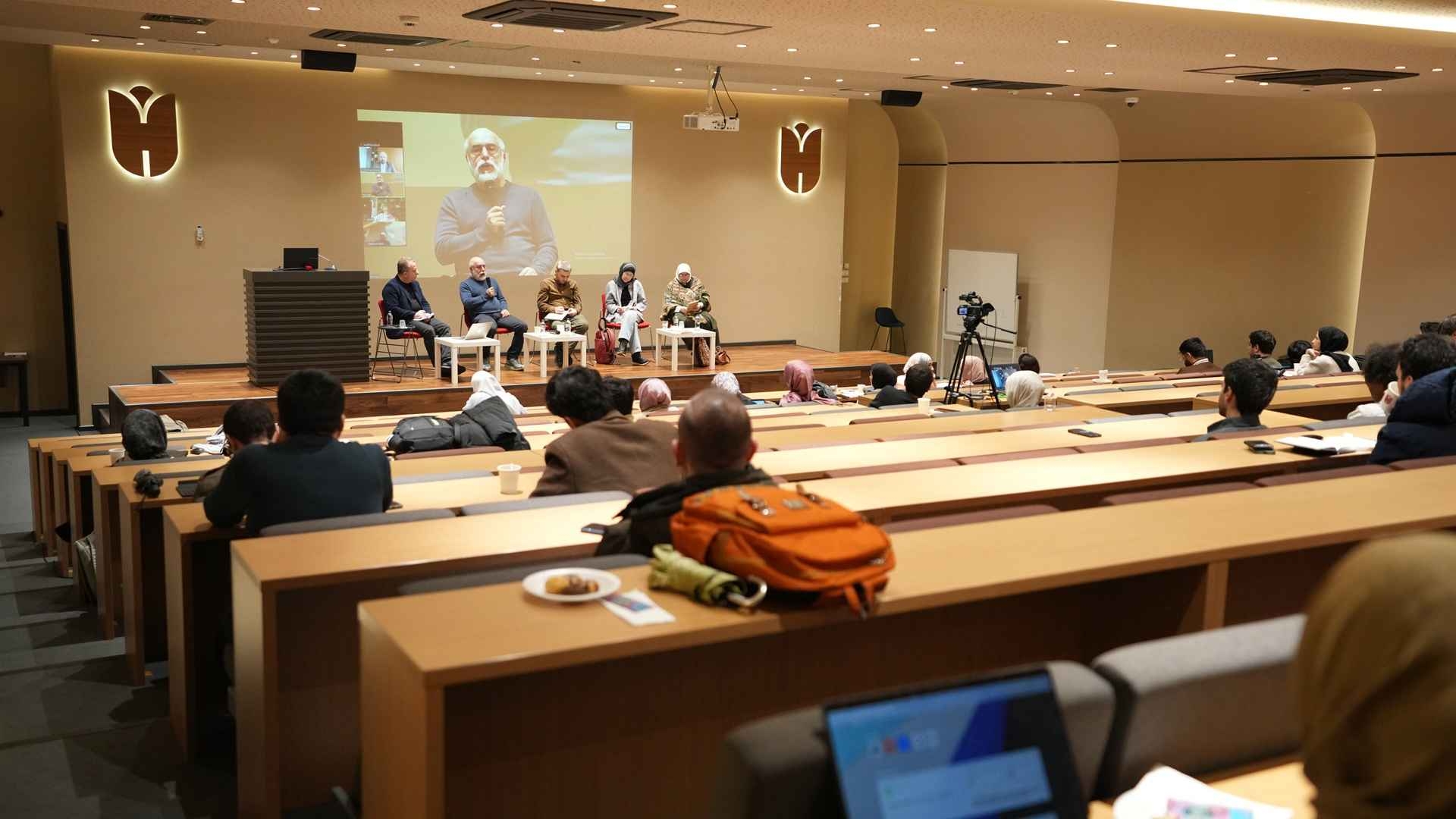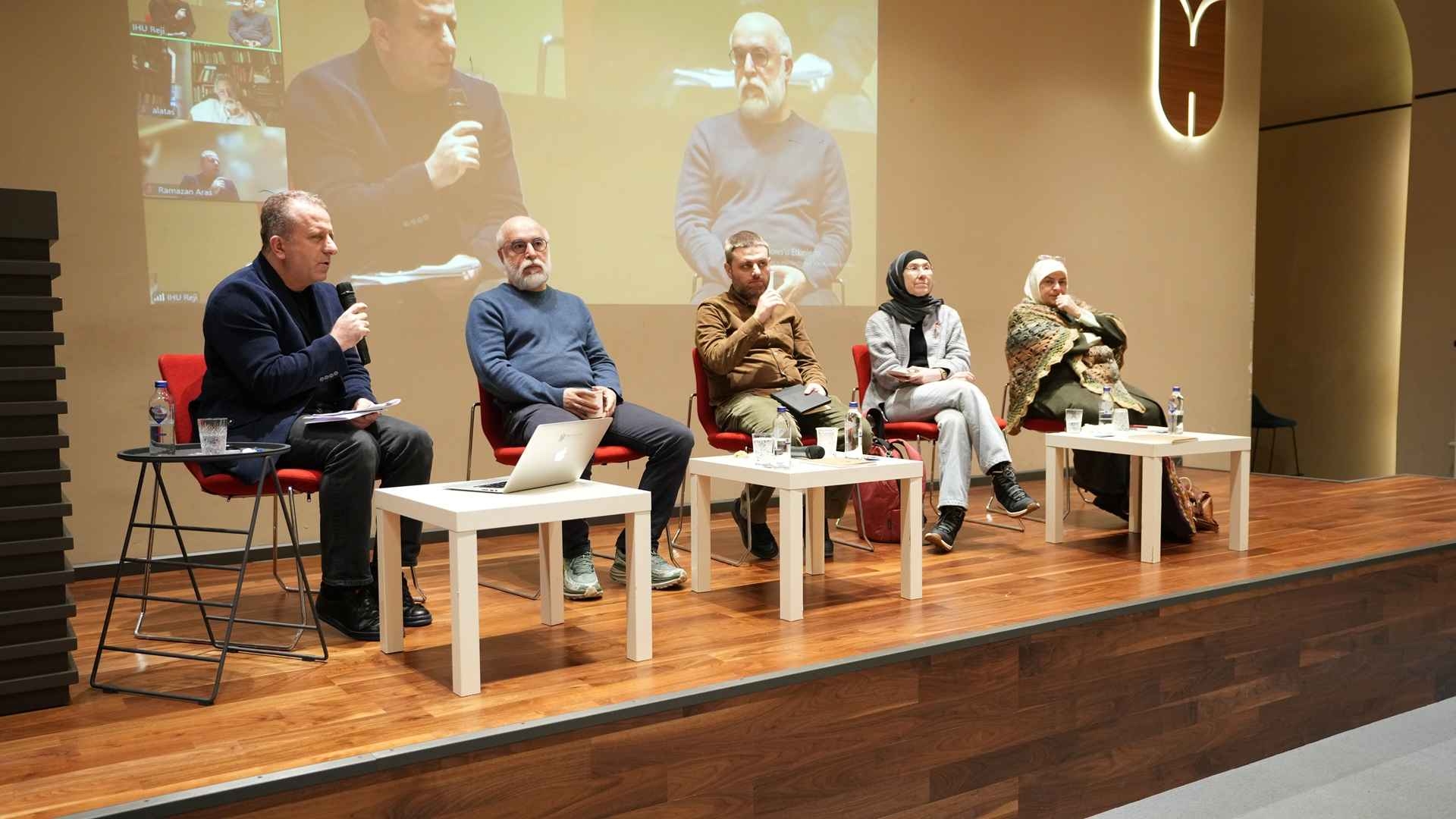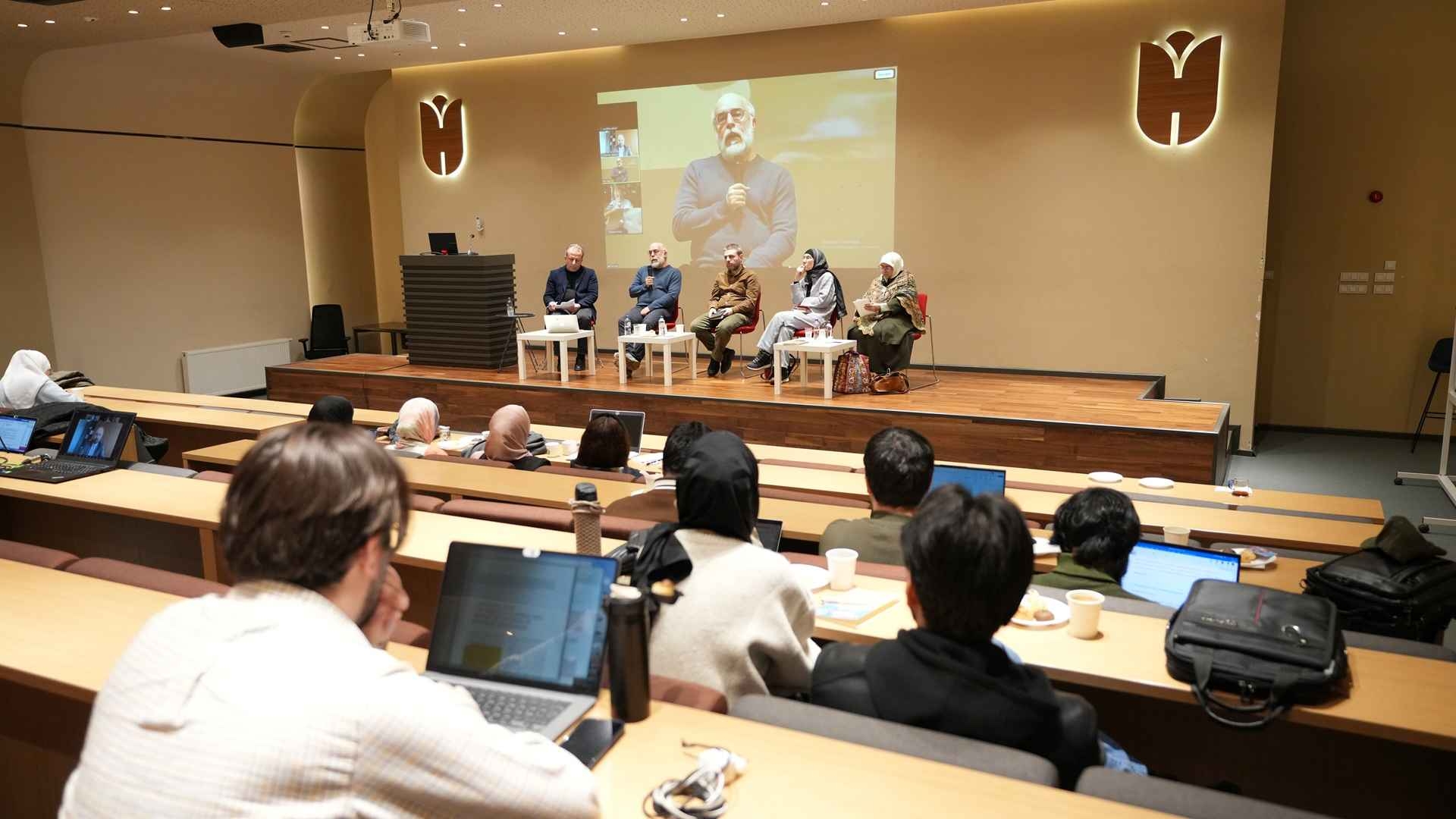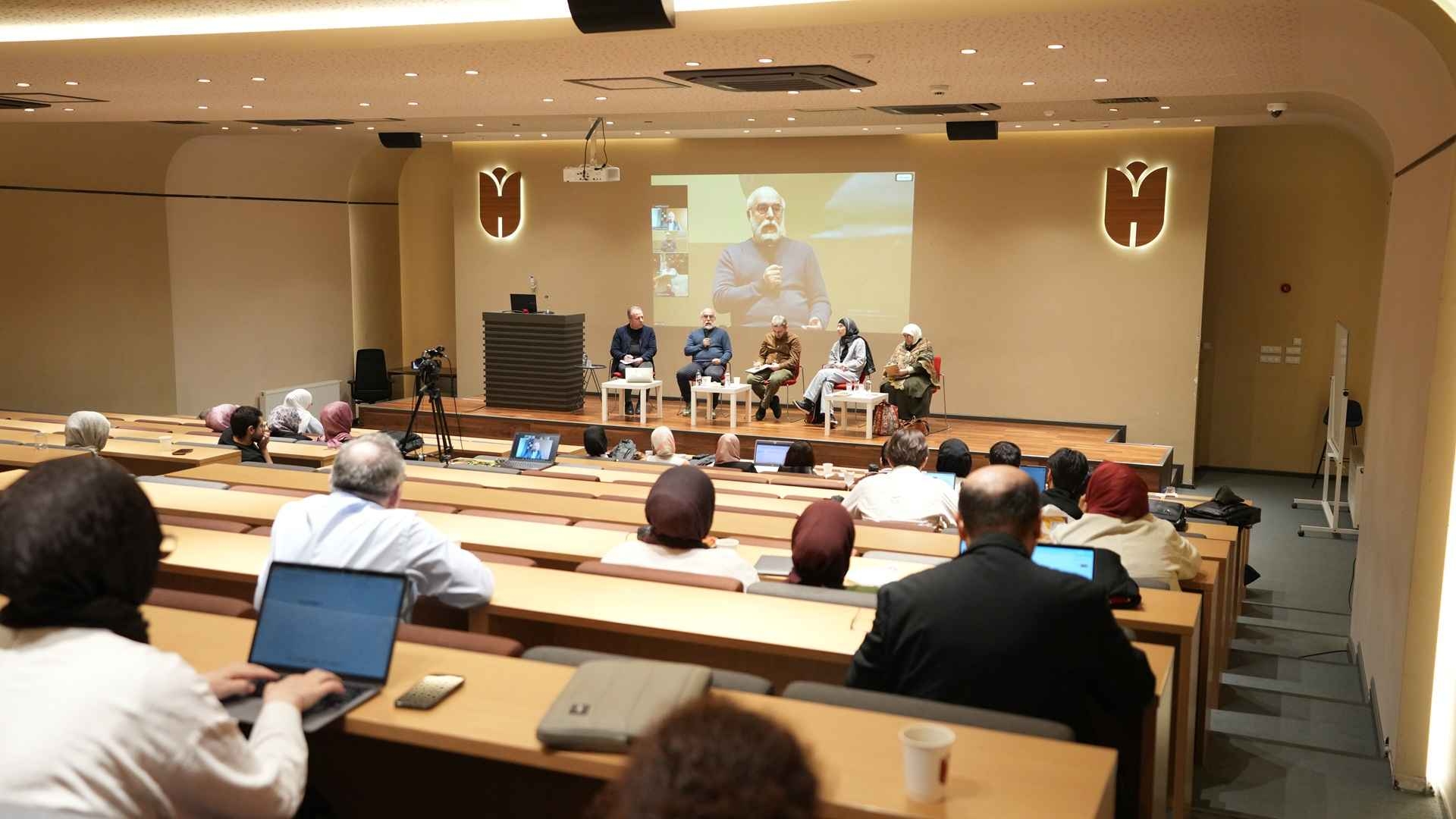

Round Table Talks organized by the Department of Sociology were held on March 24, 2026, in collaboration with the Department of Political Science and the Alliance of Civilizations Institute, under the title “War on Iran and Beyond: Perspectives from Sociology and Political Science”.
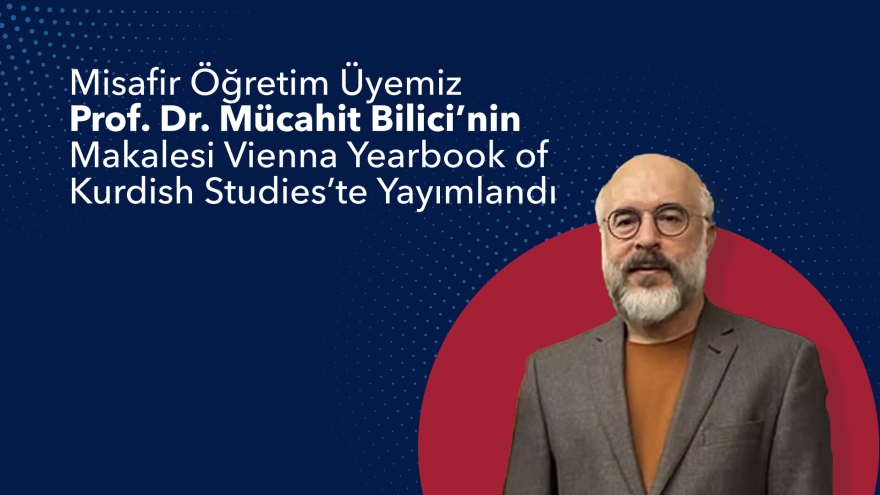
In this joint event, the War on Iran was analyzed through various sociological and political lenses. The session was moderated by Prof. Ramazan Aras, with contributions from speakers Prof. Mücahit Bilici, Prof. Syed Farid Alatas, Assoc. Prof. Serhan Afacan, and Asst. Prof. Ömer Behram Özdemir. Additionally, Prof. Alev Erkilet and Asst. Prof. Heba Ezzat participated as discussants.
The panel offered an in-depth analysis of contemporary dynamics in the Middle East, global imperialism, and Iran’s regional role through the theoretical frameworks provided by sociology and international relations. Key discussions centered on the tensions between classical nation-state interests and the notion of the ummah, processes of decolonization, and the socio-political realities experienced by the peoples of the region.
One of the focal points of the panel was Iran’s position in the region, examined from the perspectives of both social movements and state strategies. Some speakers characterized Iran’s stance toward the United States and Israel since the 1979 Revolution as a “counter-hegemonic” and “anti-imperialist” form of resistance. In light of recent developments in Gaza, it was also emphasized that Western discourse has taken on a “pro-colonial” character. Furthermore, Iran’s de-dollarization initiatives were highlighted as a practical effort toward decolonization within the global system.
On the other hand, critical perspectives grounded in international relations argued that Iran’s actions are shaped by realpolitik and modern nation-state interests. Discussions also addressed Iran’s interventions in conflict zones such as Syria and Yemen and their impact on local movements. Some participants suggested that, at times, the state operates as a “mini-imperialist” power, driven by sectarian considerations.
In the concluding section, it was emphasized that social sciences and international relations theories must move beyond existing paradigms during times of war and conflict. Participants highlighted the importance of constructing an inclusive “decolonial vision” that transcends sectarianism and nation-state-centered approaches, prioritizing the shared interests and well-being of the peoples of the region.
The session concluded with the emphasis that resolving regional crises requires simultaneous attention to both macro-political dynamics and micro-sociological realities.