Article Co-Authored by Our PhD Graduate and Visiting Researcher Dr. Dalal Bajes Published in the Q1 Indexed Journal of Palestine Studies
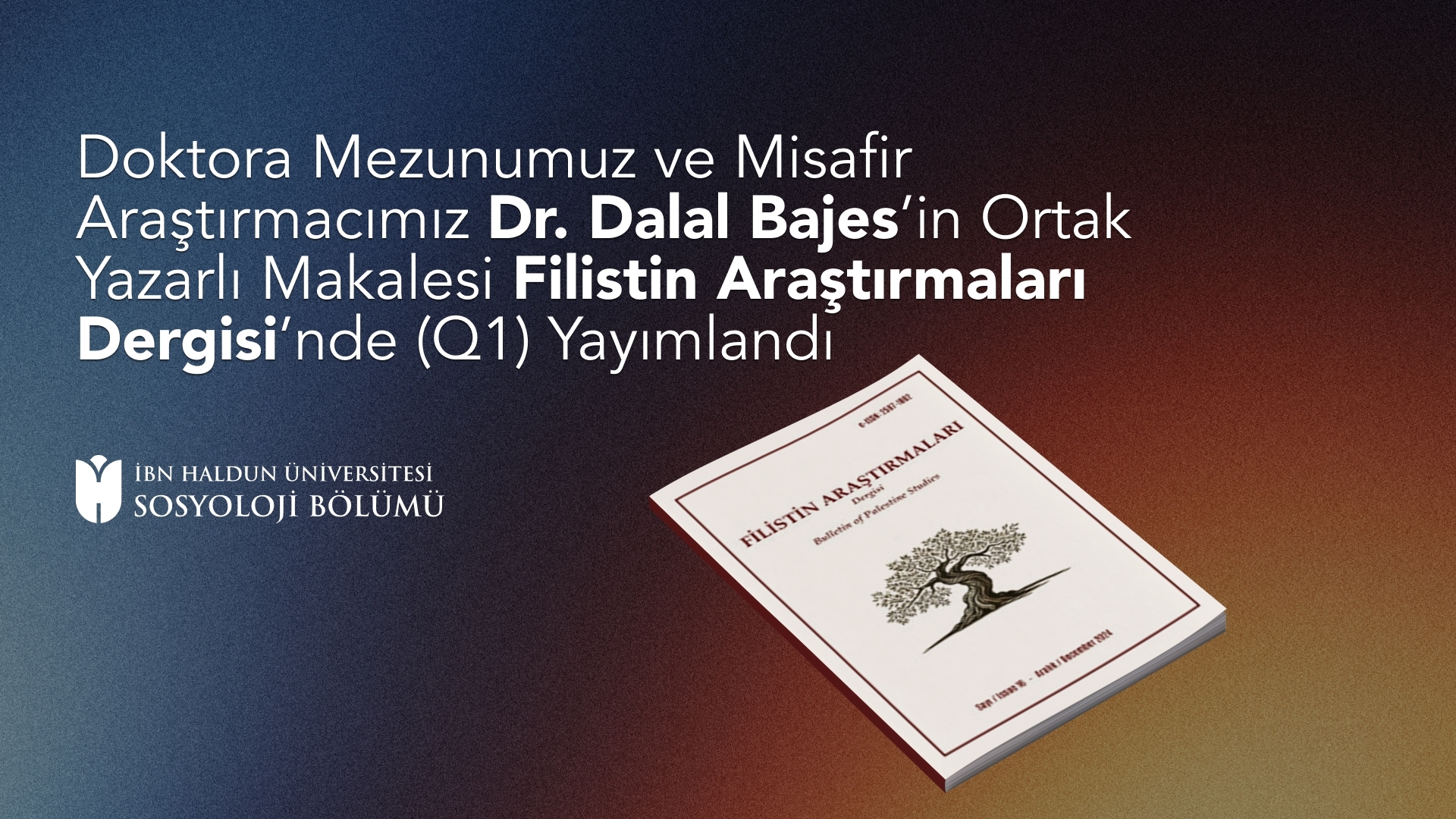
An article co-authored by our PhD graduate and visiting researcher Dr. Dalal Bajes and Dr. Ahmet Yusuf Özdemir, titled “Rhythms of Resistance in Palestine: Political Socialization, Ideology and Cultural Performativity within Hamas Anthems”, has been published in the Q1-indexed Journal of Palestine Studies.
An article co-authored by our PhD graduate and visiting researcher Dr. Dalal Bajes and Dr. Ahmet Yusuf Özdemir, titled “Rhythms of Resistance in Palestine: Political Socialization, Ideology and Cultural Performativity within Hamas Anthems”, has been published in the Q1-indexed Journal of Palestine Studies in June 2026.
The article examines the role of political anthems, known as “nasheeds”, in processes of political socialization, identity formation, and cultural resistance within Palestinian Islamic movements, with a particular focus on Hamas.
Based on a dataset of one hundred anthems produced and circulated between 1980 and 2012, the study analyzes how these songs function as vehicles for transmitting ideology, cultivating collective identities, and mobilizing political action across generations of supporters.
Methodologically, the study employs qualitative content analysis, combining thematic coding with close textual reading of lyrics. Twenty-two thematic categories were identified and analyzed, while supplementary interviews with poets and performers provided contextual insights into the production and circulation of nasheeds. The article draws on Judith Butler’s concepts of performativity and reiteration, as well as Gayatri Spivak’s reflections on representation and political voice.
The findings demonstrate that Hamas-affiliated anthems function not merely as cultural expressions, but also as performative spaces in which political subjectivities are produced and reproduced. Recurring themes include Islamic collective identity, attachment to land and Jerusalem, exile and return, martyrdom, imprisonment, resistance, and political participation. The article argues that political anthems should be understood as active instruments in the construction of collective identities and the performative reproduction of political struggle under conditions of occupation and settler colonialism.
We congratulate Dr. Dalal Bajes and co-author Dr. Ahmet Yusuf Özdemir on this significant academic achievement and wish them continued success in their scholarly work.
Related Content
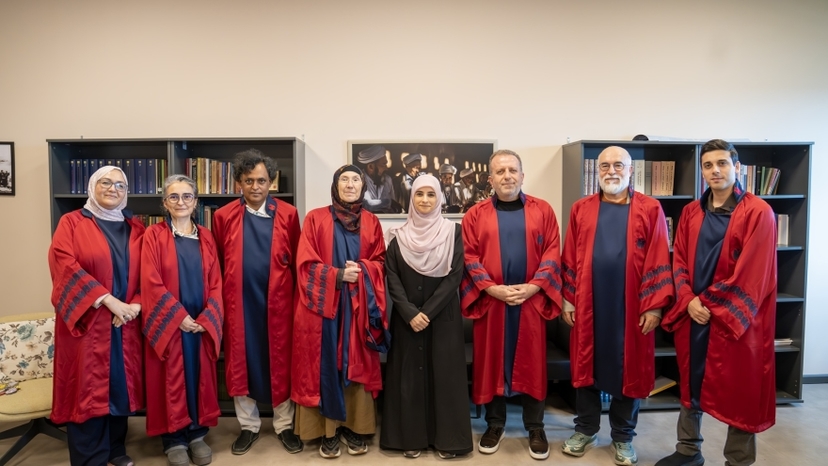
Gowning Ceremony Held for Our Sociology PhD Graduate Dalal Bajes
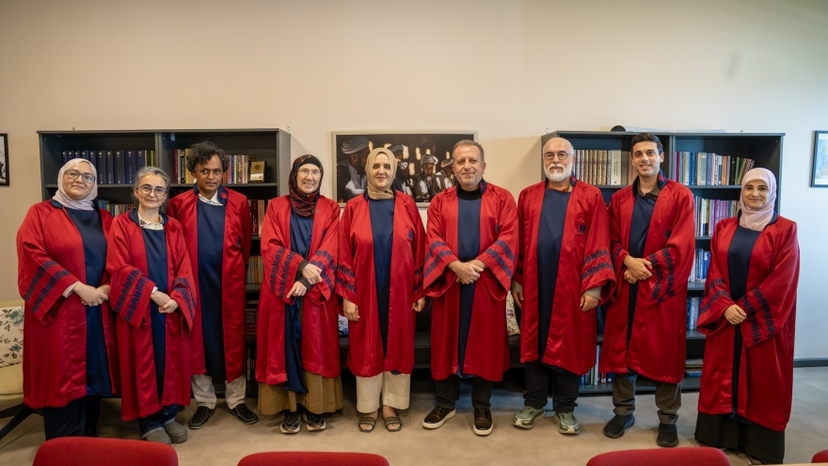
Gowning Ceremony Held for Sociology PhD Graduate Ayesha Syed
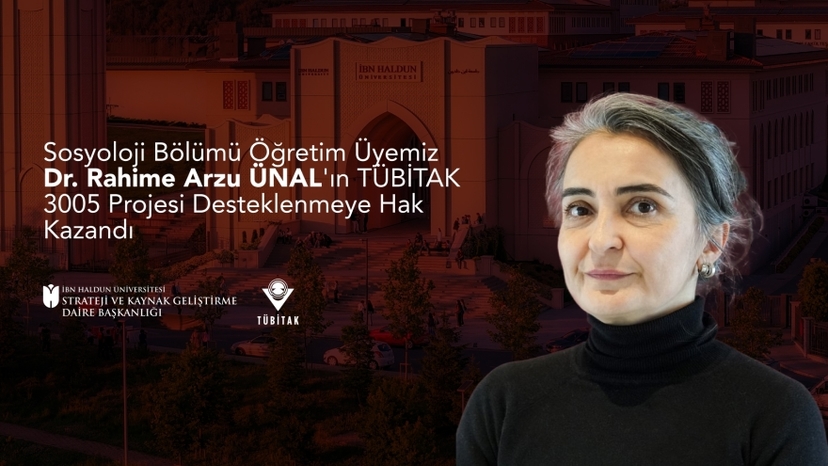
“Digital Vulnerability” Project Receives TÜBİTAK 3005 Funding
Our Sociology Alumni Accepted into Master’s Programs at Prestigious National and International Universities
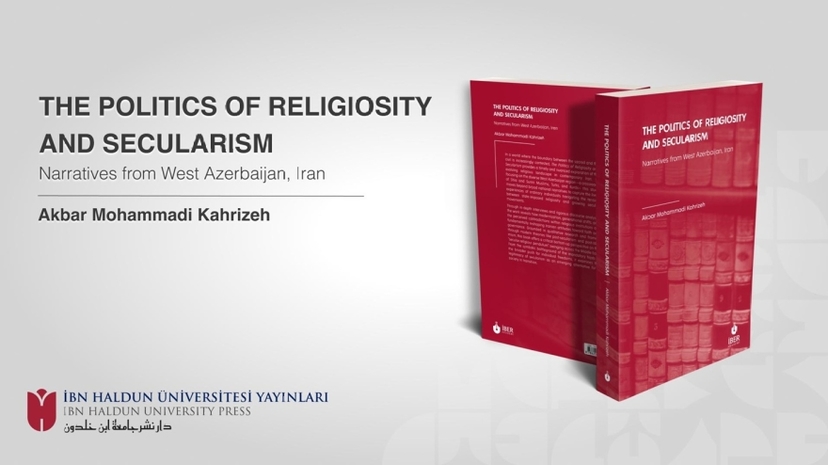
Our PhD Student Akbar Mohammadi Kahrizeh’s Thesis Titled “The Politics of Religiosity and Secularism” Published as a Book
Ayesha Syed Becomes PhD Defending Her Dissertation “(De)Constructing Pakistaniyat: A Saga of Dissemination of Master and Counter Narratives” Successfully
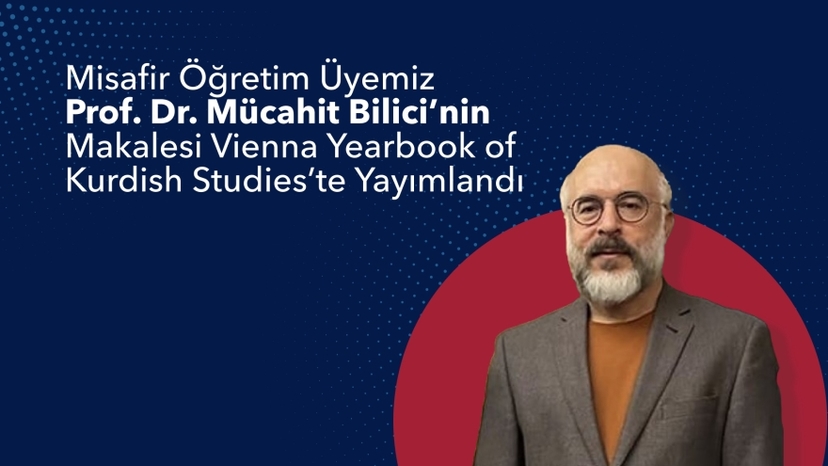
Our Visiting Faculty Member Prof. Mücahit Bilici’s Article Published in Vienna Yearbook of Kurdish Studies

Our PhD Candidate Neveen Fathi Abouldahab Presented Her Research at International Academic Events