Our Sociology Department Contributes to the TÜBİTAK Project “Kürsü 5.0: Religious Discourse and Authority on YouTube in Türkiye”
Academics and students from our Sociology Department are contributing to the TÜBİTAK 1001 research project entitled “Kürsü 5.0: Religious Discourse and Authority on YouTube in Türkiye”, led by Asst. Prof. Mehmet Ali Başak.
Academics and students from our Sociology Department are contributing to the TÜBİTAK 1001 research project entitled “Kürsü 5.0: Religious Discourse and Authority on YouTube in Türkiye”, led by Asst. Prof. Mehmet Ali Başak of the School of Islamic Studies at our University, from a sociological perspective.
Asst. Prof. Tesnim Khriji has joined the project as a researcher, while Dr. Nesibe Demir, a graduate of our Ph.D. programme, has joined as a postdoctoral researcher. Our Ph.D. students İlham İbrahim and Mahmudul Hasan Naeem have also joined the project team as scholarship holders and researchers.
The Digital Transformation of Religious Knowledge and Authority
The project aims to examine how digitalisation is transforming the production, circulation and reception of religious knowledge in Türkiye. As digital platforms, particularly YouTube, become important spaces for transmitting, interpreting and debating religious knowledge, questions about how religious authority is established and legitimised have also come to the fore.
Within this framework, “Kürsü 5.0” will adopt an interdisciplinary approach to examine the discourses of those producing religious content on YouTube in Türkiye. The research will explore how religious discourse is produced and circulated in digital environments, the discursive and visual strategies through which content creators establish their authority, and how audiences engage with this content.
Digital Religion Research in the Context of Türkiye
Bringing together the sociology of religion, Qur’anic exegesis and Islamic jurisprudence, the project seeks to produce original findings on the transformations of religious knowledge and authority through digitalisation. The study is also expected to make a substantial contribution to the literature on digital religion, online religious authority and new media studies through its focus on Türkiye.
Related Content
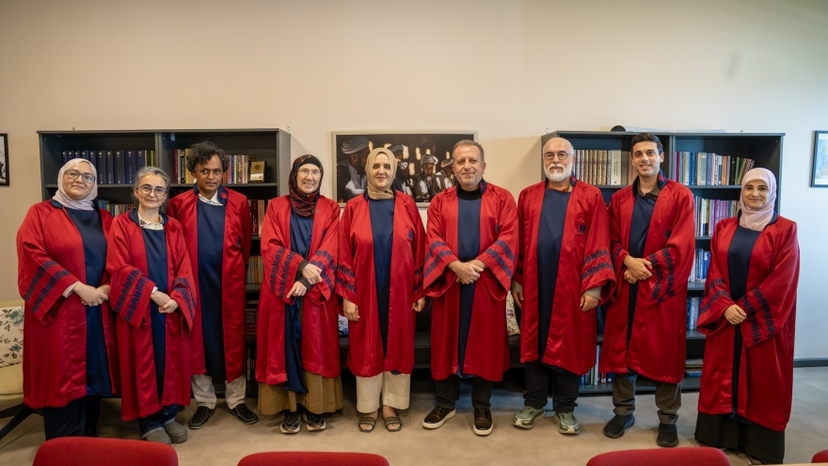
Gowning Ceremony Held for Sociology PhD Graduate Ayesha Syed
“Digital Vulnerability” Project Receives TÜBİTAK 3005 Funding
Our Sociology Alumni Accepted into Master’s Programs at Prestigious National and International Universities
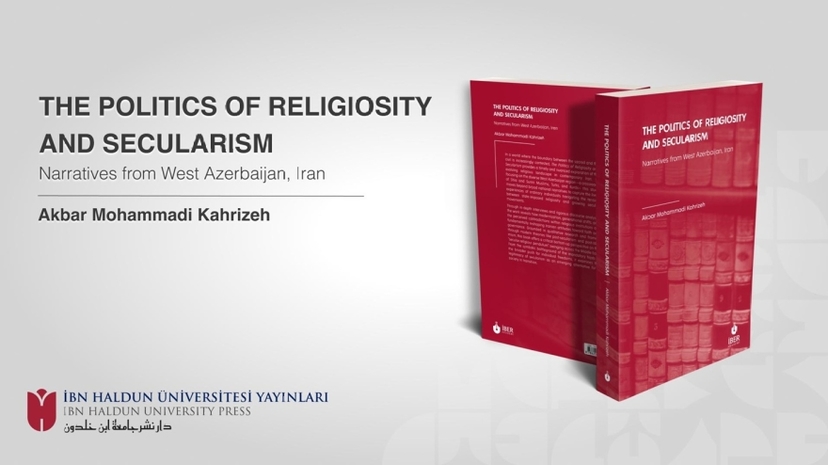
Our PhD Student Akbar Mohammadi Kahrizeh’s Thesis Titled “The Politics of Religiosity and Secularism” Published as a Book
Ayesha Syed Becomes PhD Defending Her Dissertation “(De)Constructing Pakistaniyat: A Saga of Dissemination of Master and Counter Narratives” Successfully
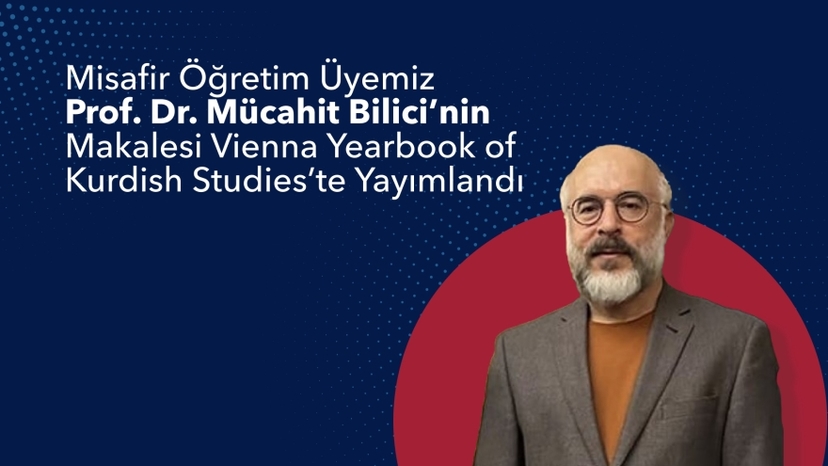
Our Visiting Faculty Member Prof. Mücahit Bilici’s Article Published in Vienna Yearbook of Kurdish Studies
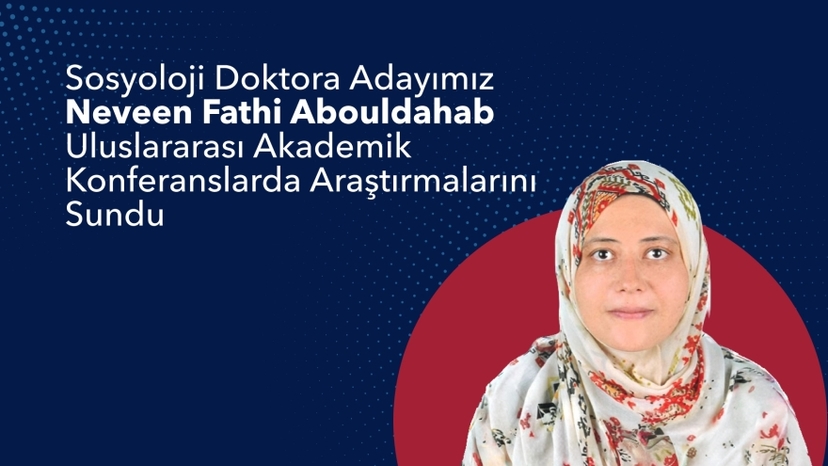
Our PhD Candidate Neveen Fathi Abouldahab Presented Her Research at International Academic Events
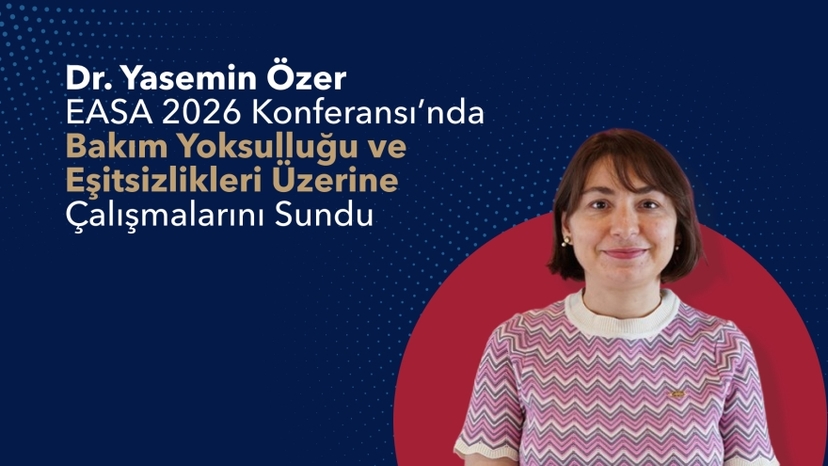
Dr. Yasemin Özer Presented Her Research on Care Poverty and Care Inequalities at EASA 2026