
Postdoctoral Researcher Dr. Havva Yılmaz Delivered a Presentation within the Scope of the Brown Bag Seminars

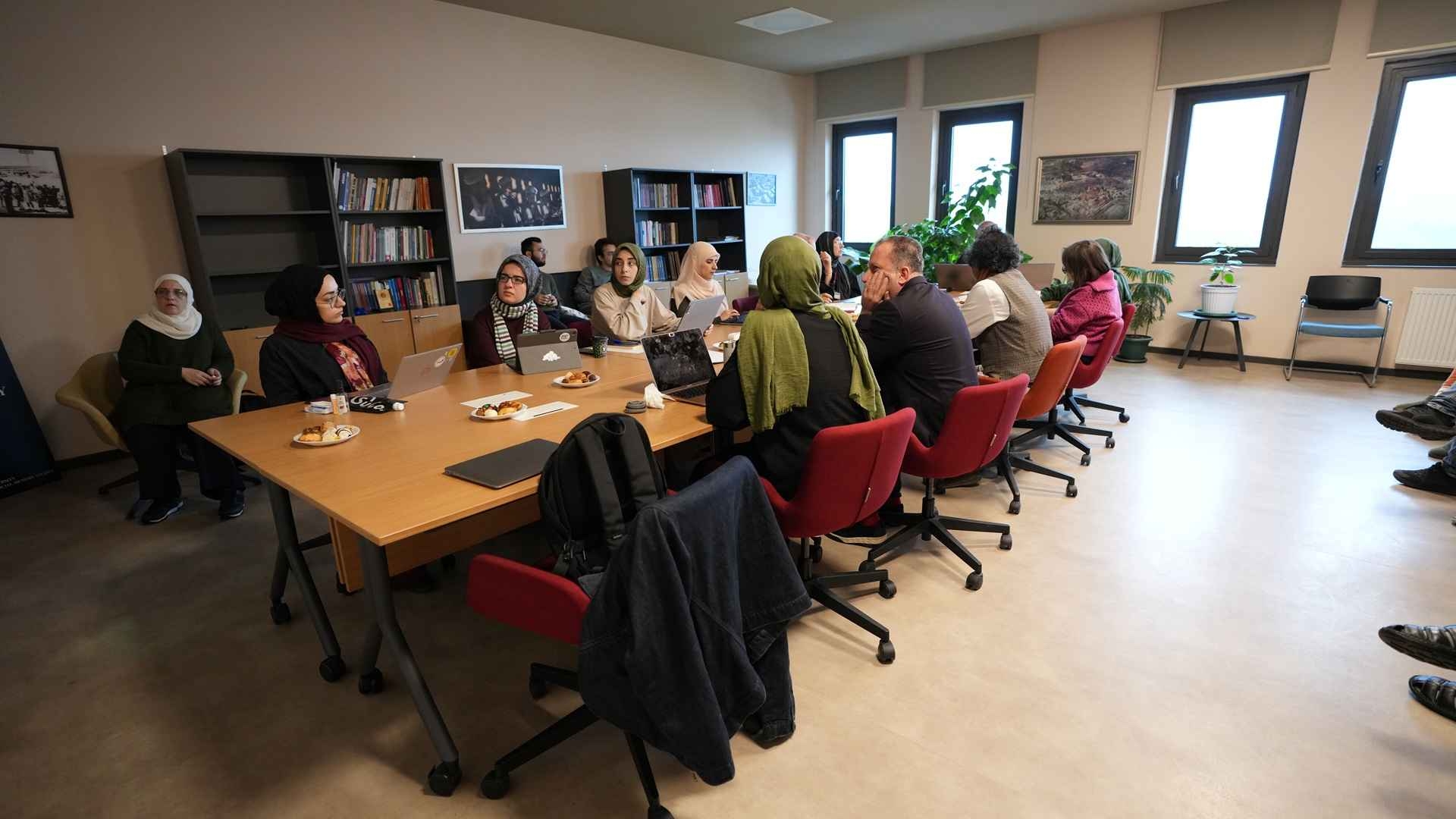
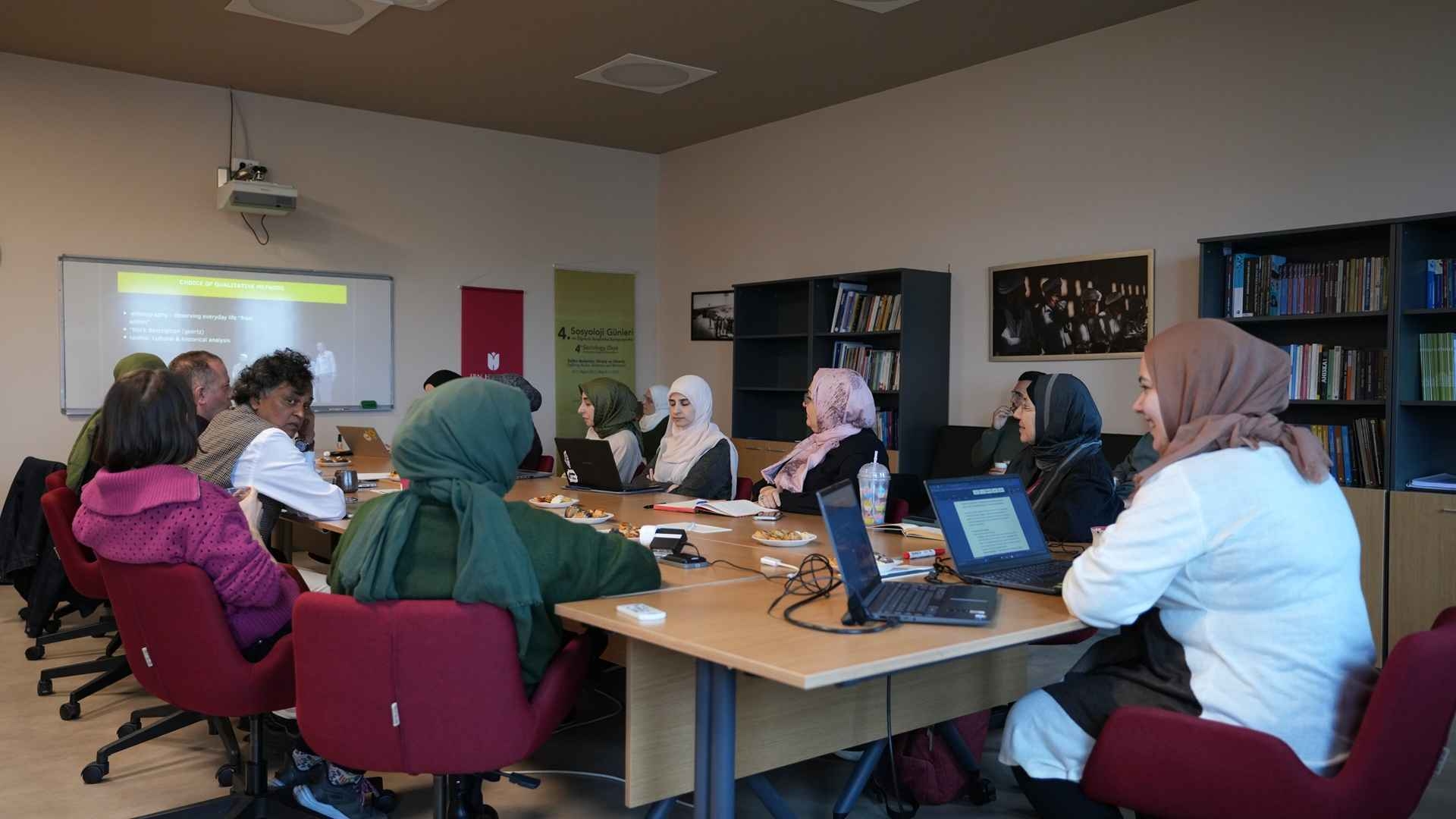
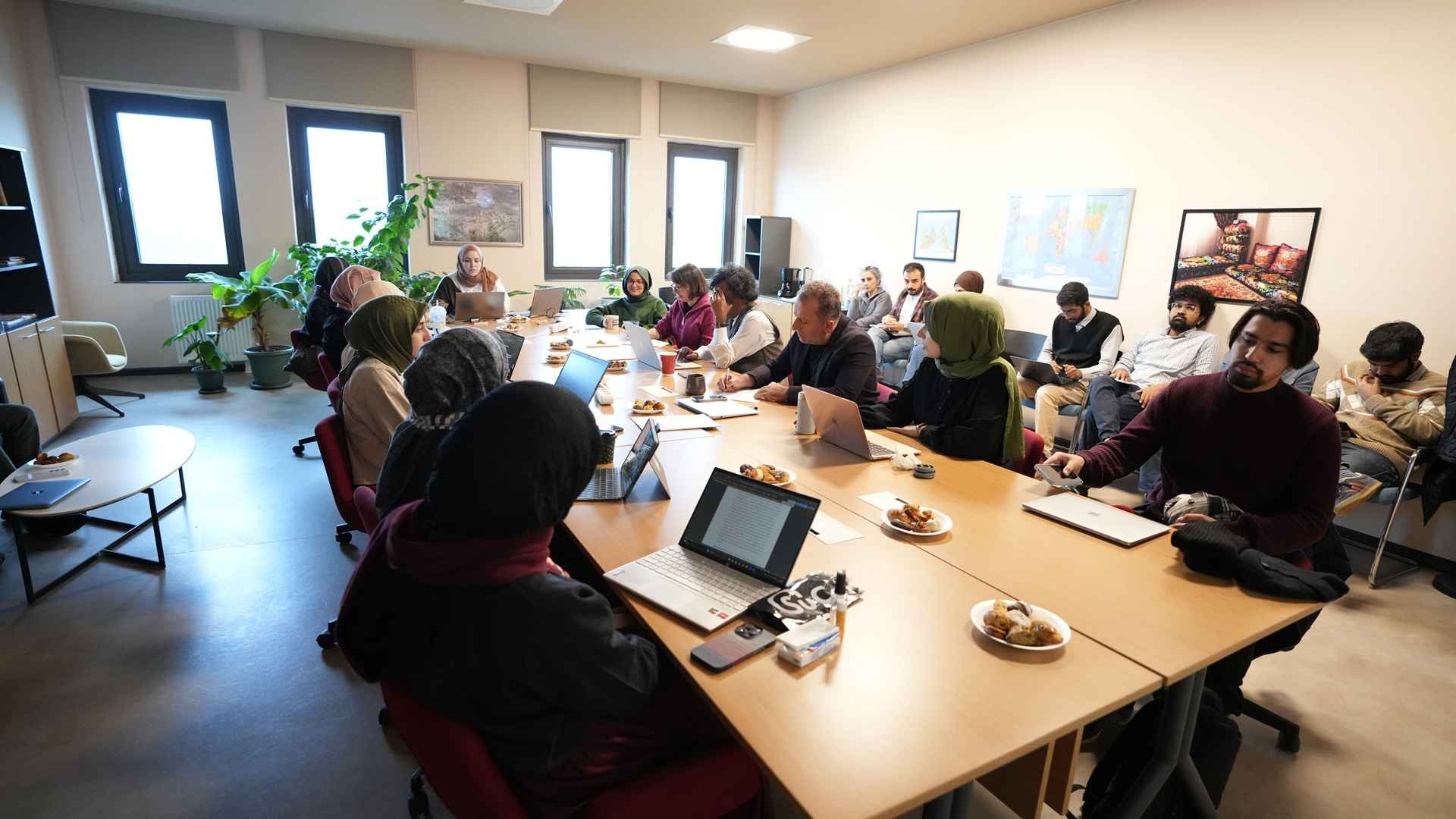
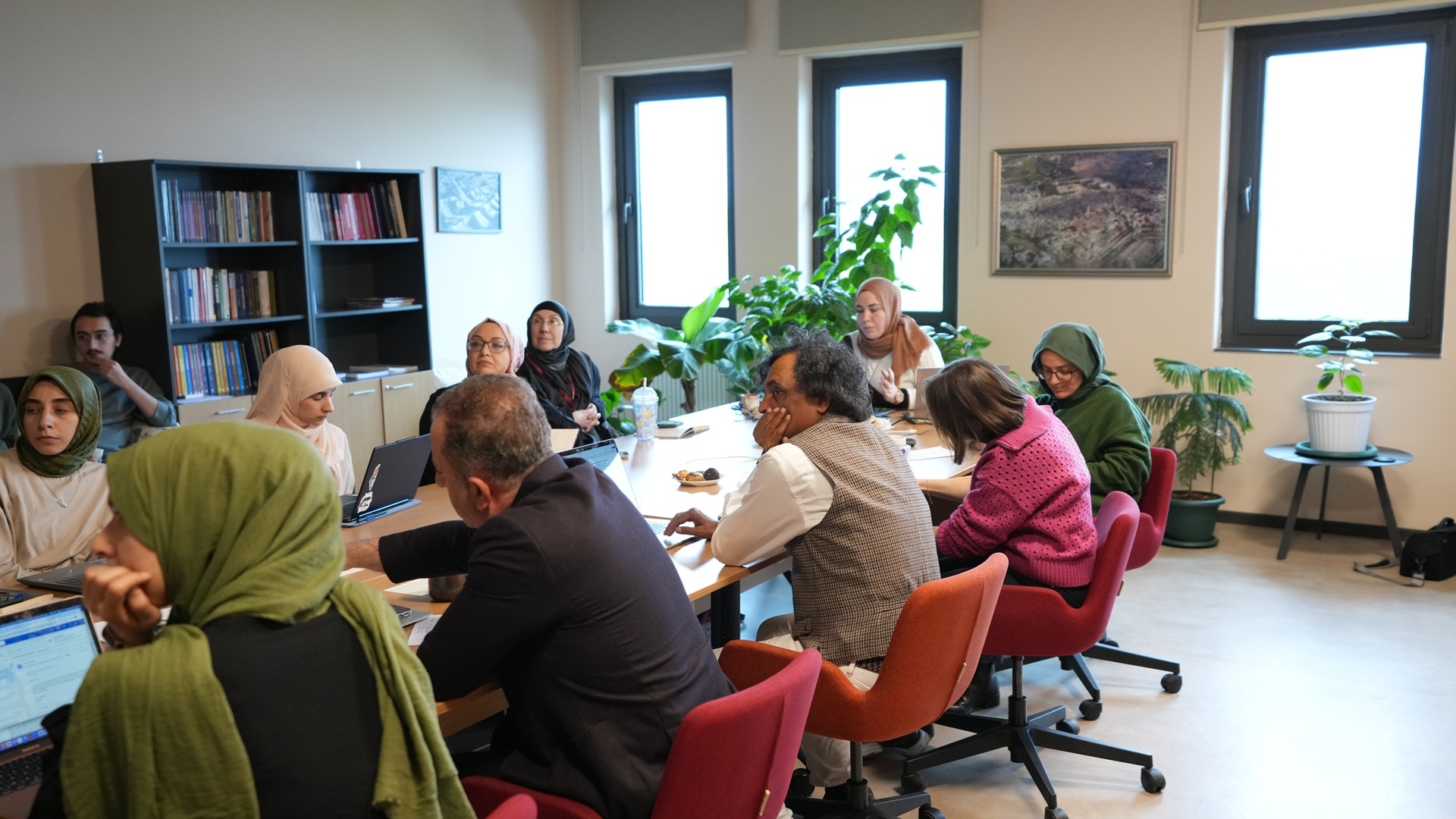
As part of the Brown Bag Seminars organized by the Department of Sociology at our University, Dr. Havva Yılmaz, who continues her research as a postdoctoral fellow in the department, presented her recent study.
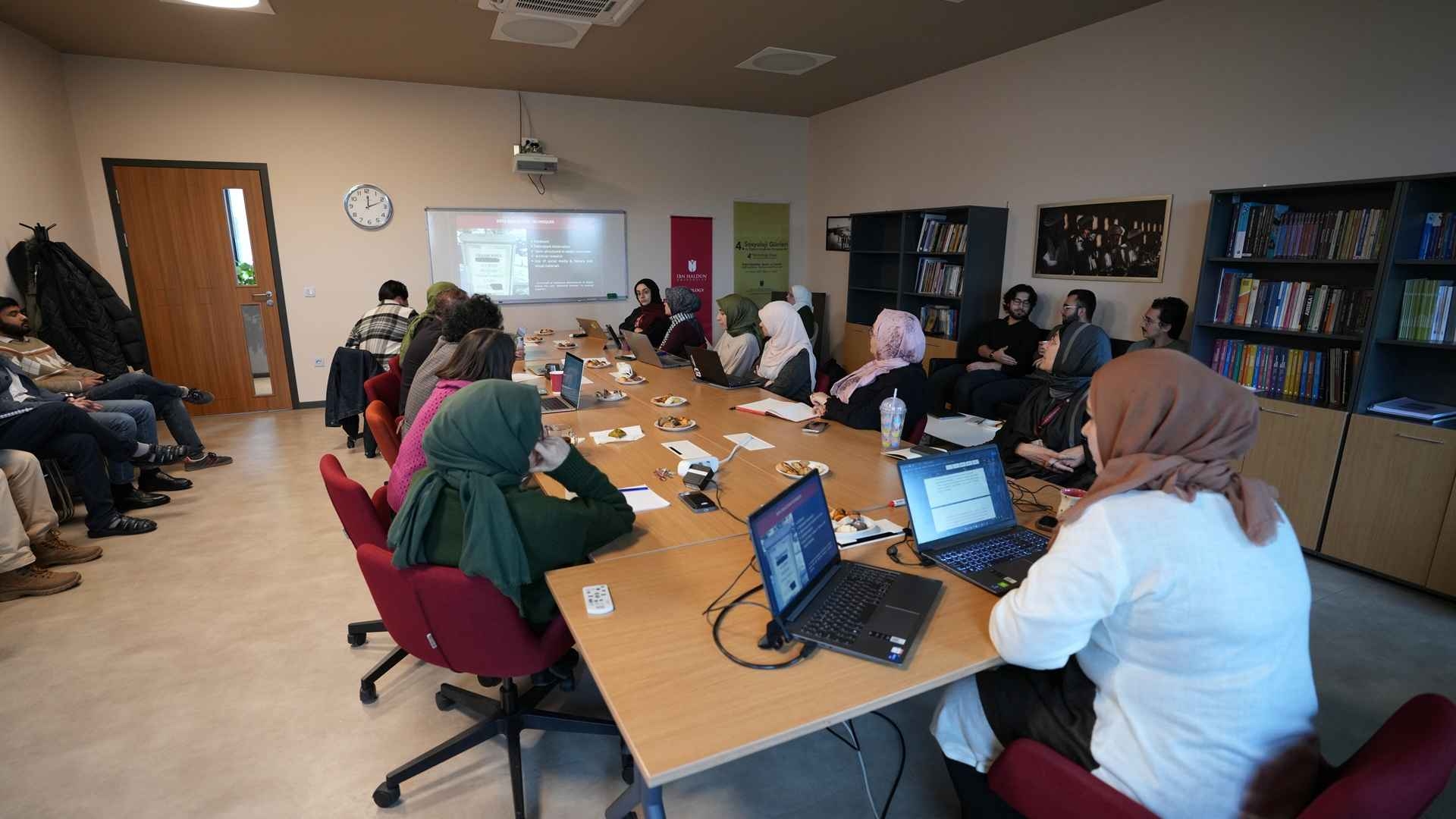
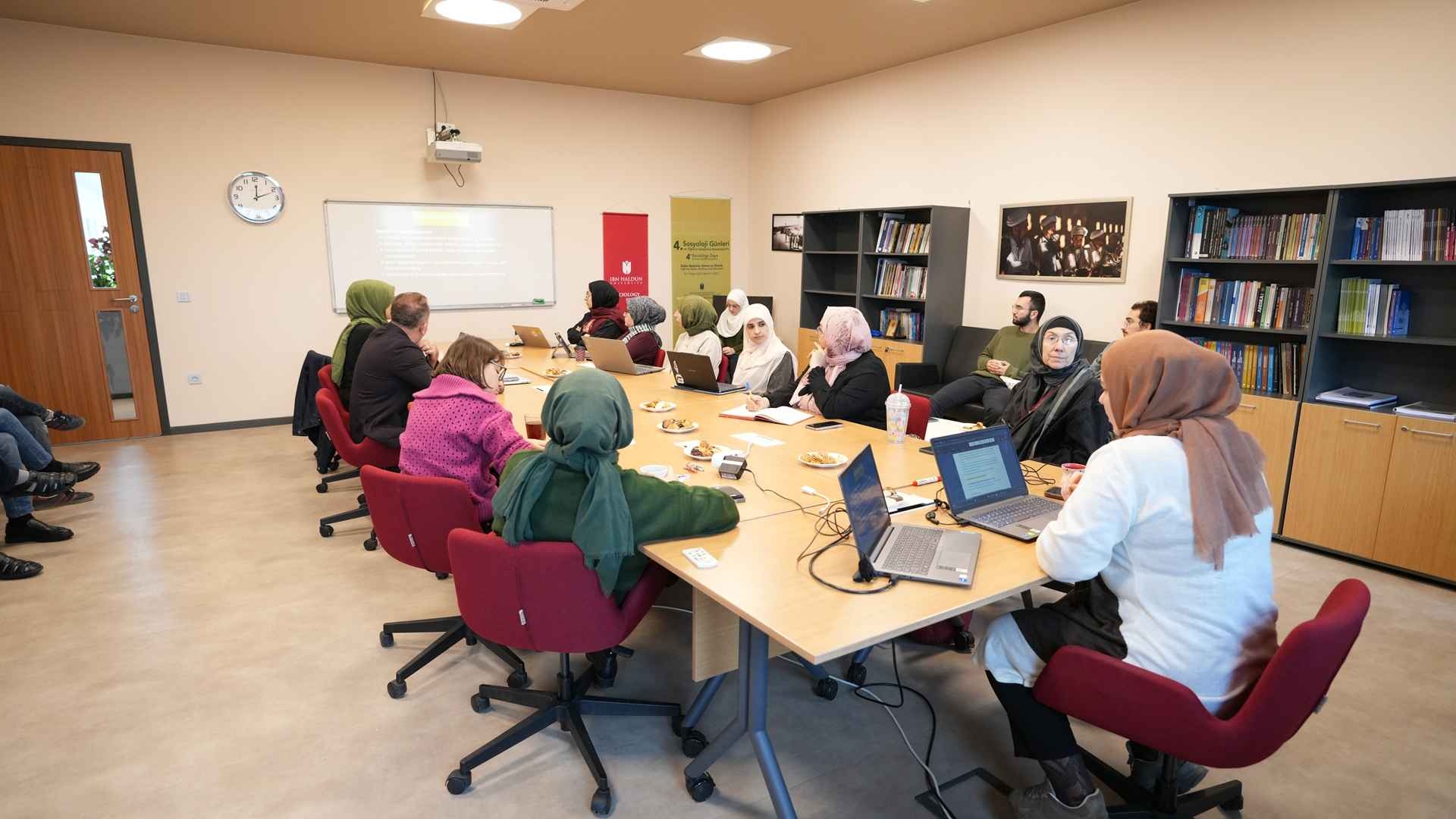
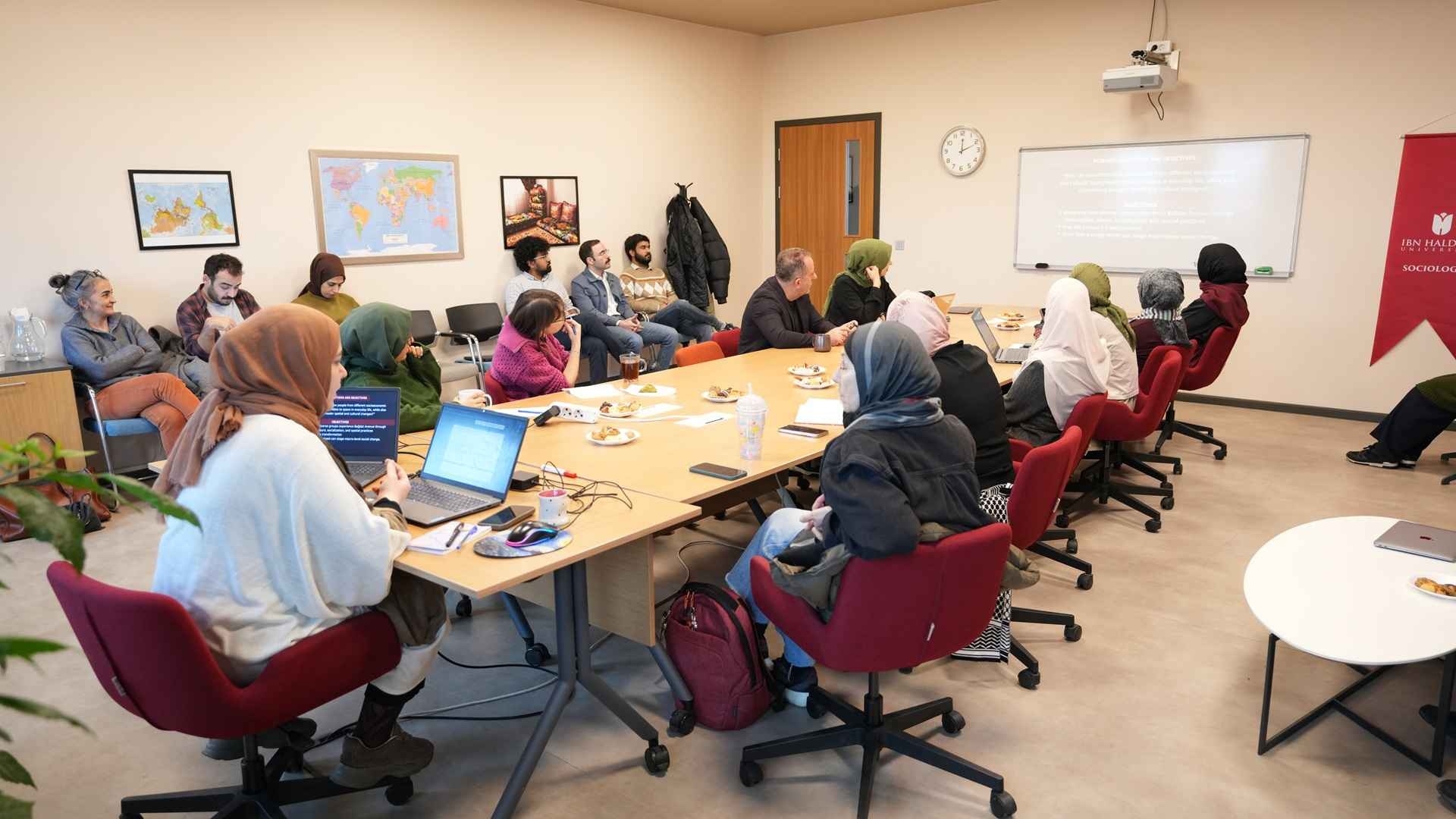
Within the framework of the Brown Bag Seminars organized by the Department of Sociology at Ibn Haldun University, on Tuesday, December 23, 2025, Dr. Havva Yılmaz, a postdoctoral researcher in the department, delivered a presentation entitled “Habitus on the Avenue: Socio-Spatial Transformation and Everyday Life on Bağdat Avenue.” In her presentation, Dr. Yılmaz examined how Türkiye’s experience of modernization has been shaped through urbanization and the transformation of space. Focusing particularly on the processes of informal housing (gecekondu development) and population growth in major cities since the post-1980 period, her study brought contemporary debates on urbanization into dialogue with broader discussions on modernization and its challenges.
Dr. Yılmaz conducted an in-depth analysis of Istanbul’s iconic Bağdat Avenue, examining the relationship between space and different social classes as well as cultural groups. Addressing the avenue within both a historical and contemporary sociological framework, the study revealed diverse social dynamics and spatial practices shaping the area. With improved accessibility through the newly constructed Marmaray and metro lines, and as a location that hosts some of Istanbul’s most distinguished historic mansions alongside the city’s most luxurious residences, chain cafés and restaurants, as well as stores of global luxury brands, Bağdat Avenue was examined by Dr. Yılmaz in detail through socio-spatial analysis and historical sociology methods to demonstrate how spaces acquire social and cultural meanings. Adopting an ethnographic approach, her research employed archival research, participant observation, semi-structured interviews, and various qualitative materials.
The study explores how individuals from diverse socioeconomic and cultural backgrounds relate to space in their everyday lives, and how these relationships are connected to macro-level spatial and cultural transformations. The theoretical framework of the research draws on the sociological approaches of French sociologist Pierre Bourdieu, focusing on the ways in which space, culture, and social class are intertwined. In this respect, the sociological analyses conducted through the case of Bağdat Avenue make a significant contribution to understanding the impact of urbanization on social structures.
Going beyond traditional sociological studies on the interaction between space and social structures, Dr. Havva Yılmaz’s research offers an innovative perspective on socio-cultural transformation processes through the example of Bağdat Avenue. Such studies contribute to the development of a deeper understanding of urbanization and socio-cultural structures in Türkiye.
We congratulate our researcher and wish her continued success in her academic endeavors.
Photos
Related Content

Our Sociology Alumni Accepted into Master’s Programs at Prestigious National and International Universities

Our PhD Student Akbar Mohammadi Kahrizeh’s Thesis Titled “The Politics of Religiosity and Secularism” Published as a Book

Ayesha Syed Becomes PhD Defending Her Dissertation “(De)Constructing Pakistaniyat: A Saga of Dissemination of Master and Counter Narratives” Successfully

Our Visiting Faculty Member Prof. Mücahit Bilici’s Article Published in Vienna Yearbook of Kurdish Studies

Our PhD Candidate Neveen Fathi Abouldahab Presented Her Research at International Academic Events

Dr. Yasemin Özer Presented Her Research on Care Poverty and Care Inequalities at EASA 2026

Article Co-Authored by Our PhD Graduate and Visiting Researcher Dr. Dalal Bajes Published in the Q1 Indexed Journal of Palestine Studies
Article by Our PhD Graduate Dr. Abdirashid Diriye Kalmoy Published in FSM Scholarly Studies Journal of Humanities and Social Sciences
