
We Presented Our Research Report “Transit, Temporary, and Permanent Lives in Istanbul” to Istanbul Governor Davut Gül

Conducted by our Department of Sociology and presented with the participation of Istanbul Governor Davut Gül, the research revealed the diverse future plans and socialization dynamics of registered and unregistered migrants living in Istanbul.
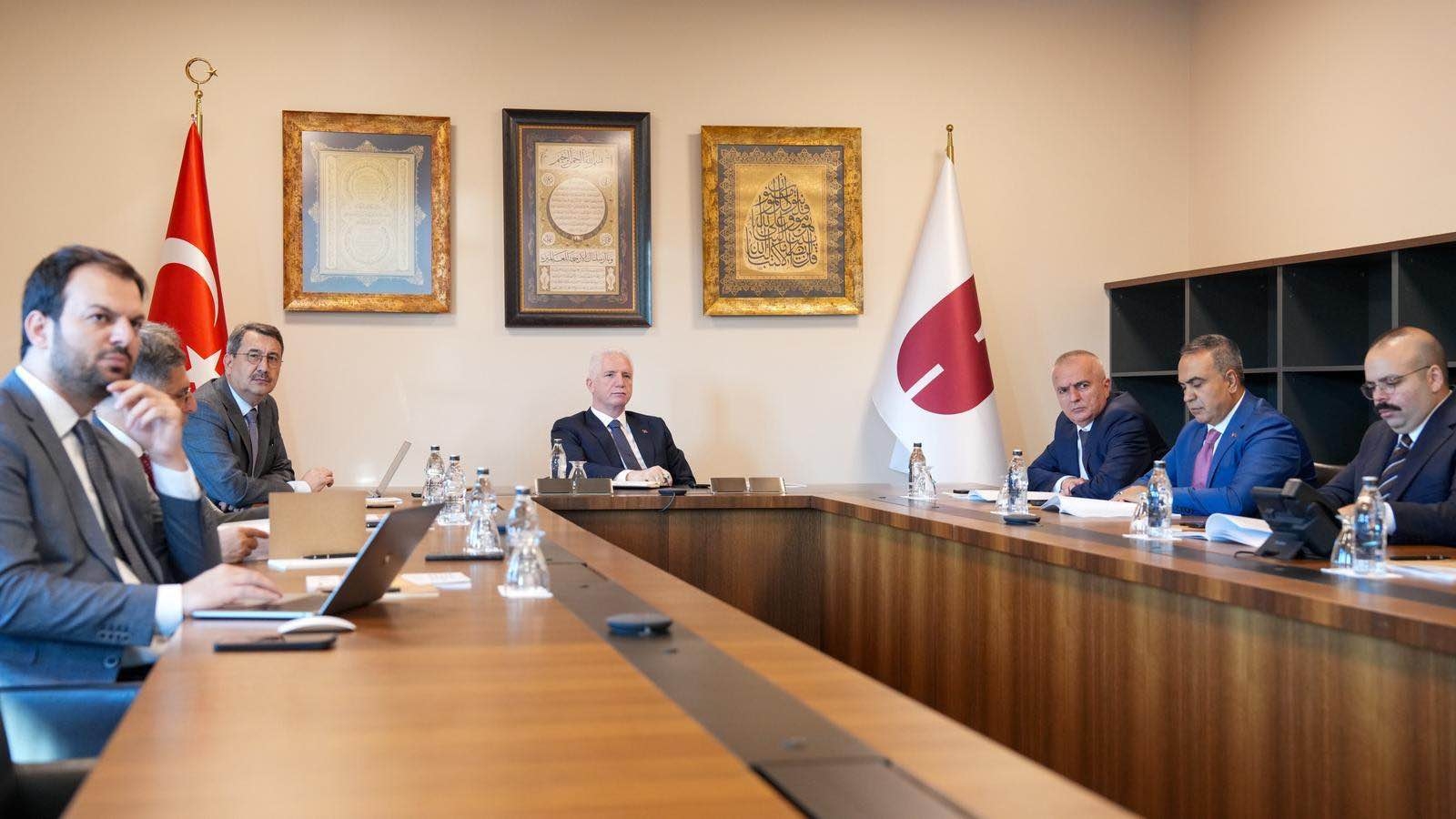
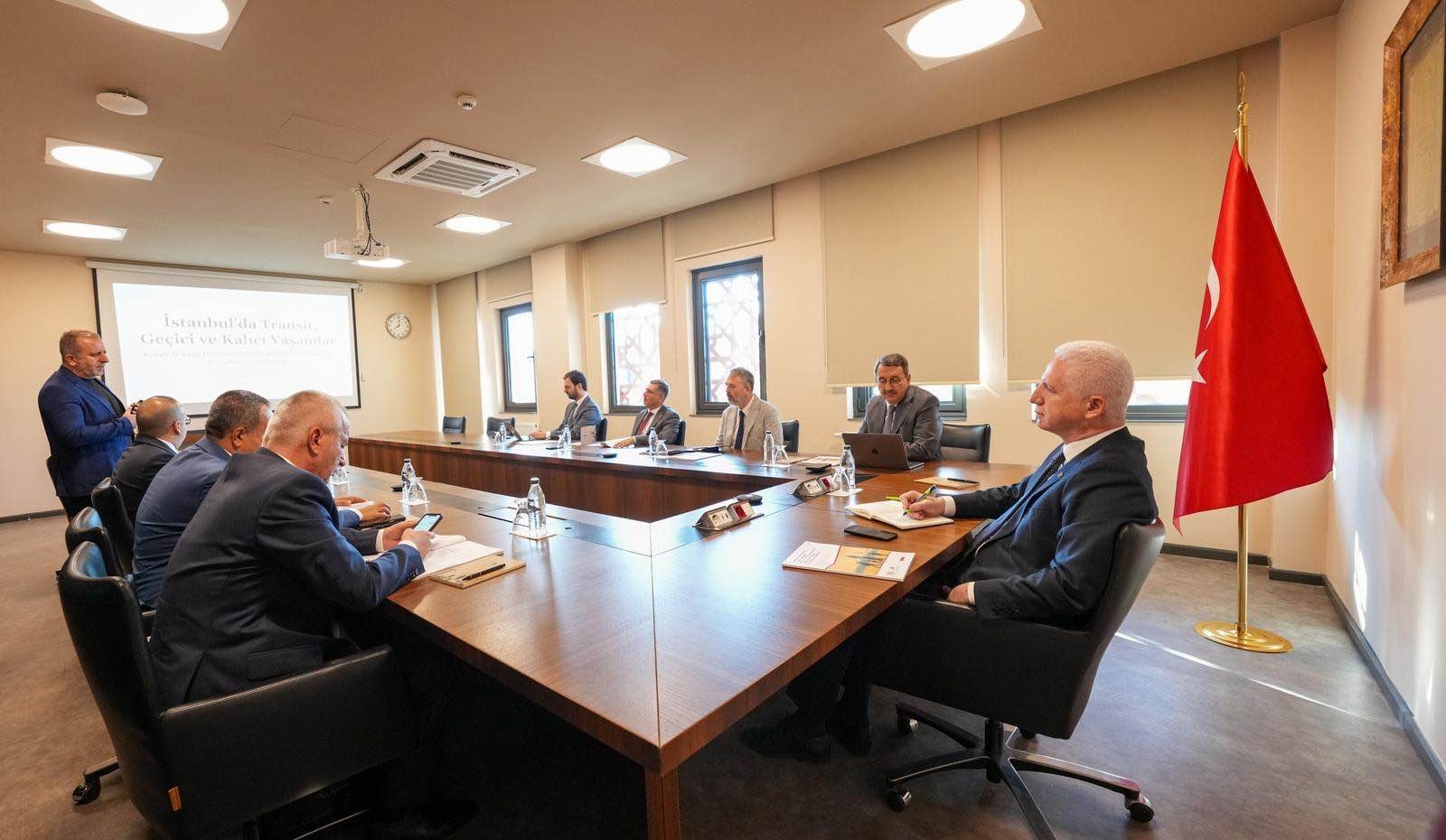
The presentation of the research report titled “Transitory, Temporary, and Permanent Lives in Istanbul: “Diverse Future Plans and Socialization Dynamics of Registered and Unregistered Migrants”, conducted by the Department of Sociology at Ibn Haldun University, was held on Tuesday, August 19, at our university with the participation of Istanbul Governor Davut Gül. The final report of the study was presented by the project coordinators Prof. Dr. Ramazan Aras and Assist. Prof. Rahime Arzu Ünal. In addition to our university delegation led by our Rector Prof. Dr. Atilla Arkan, the meeting was also attended by Istanbul Deputy Governor Yücel Gemici, Başakşehir District Governor Cemil Özgür Öneği, and Provincial Director of Migration Management Hüseyin Kemal İlday.
The research covers Syrian, Afghan, and Sub-Saharan African migrants living in Istanbul’s Fatih, Zeytinburnu, and Esenyurt districts. To this end, data collected through in-depth interviews with 174 migrants and a workshop with 23 representatives from 19 non-governmental organizations were analyzed. The report presents migrants’ migration stories, everyday life experiences, socialization practices, and future plans, supported by narrative analyses focusing on ethnic and cultural dynamics.
In the presented report, findings regarding migrants’ housing, socialization, access to healthcare services, social integration, and future plans were shared, while policy recommendations aimed at facilitating integration—such as language education, housing, access to healthcare, legal status arrangements, and psychosocial support—were also evaluated.
Photos
Related Content

Our Sociology Alumni Accepted into Master’s Programs at Prestigious National and International Universities

Our PhD Student Akbar Mohammadi Kahrizeh’s Thesis Titled “The Politics of Religiosity and Secularism” Published as a Book

Ayesha Syed Becomes PhD Defending Her Dissertation “(De)Constructing Pakistaniyat: A Saga of Dissemination of Master and Counter Narratives” Successfully

Our Visiting Faculty Member Prof. Mücahit Bilici’s Article Published in Vienna Yearbook of Kurdish Studies

Our PhD Candidate Neveen Fathi Abouldahab Presented Her Research at International Academic Events

Dr. Yasemin Özer Presented Her Research on Care Poverty and Care Inequalities at EASA 2026

Article Co-Authored by Our PhD Graduate and Visiting Researcher Dr. Dalal Bajes Published in the Q1 Indexed Journal of Palestine Studies
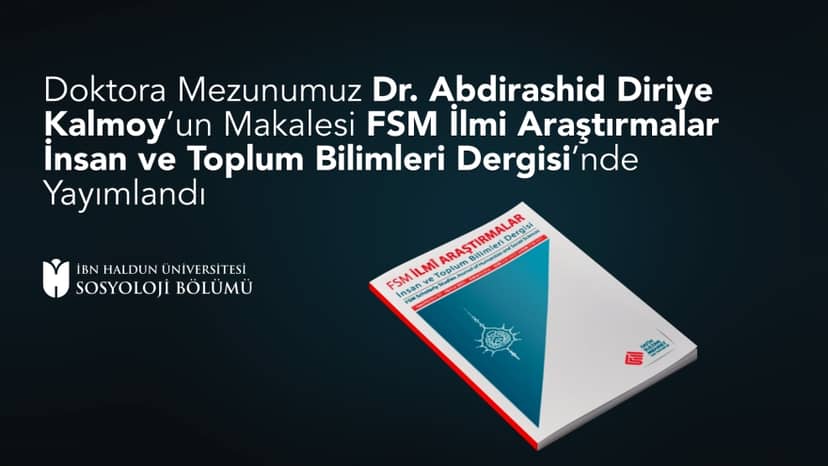
Article by Our PhD Graduate Dr. Abdirashid Diriye Kalmoy Published in FSM Scholarly Studies Journal of Humanities and Social Sciences
