
“Said Nursi and Modern Muslim Subjectivity” Discussed within the Sociology Talks Series

Within the scope of the Sociology Talks, the topic of “Said Nursi and Modern Muslim Subjectivity” was discussed from a sociological perspective.
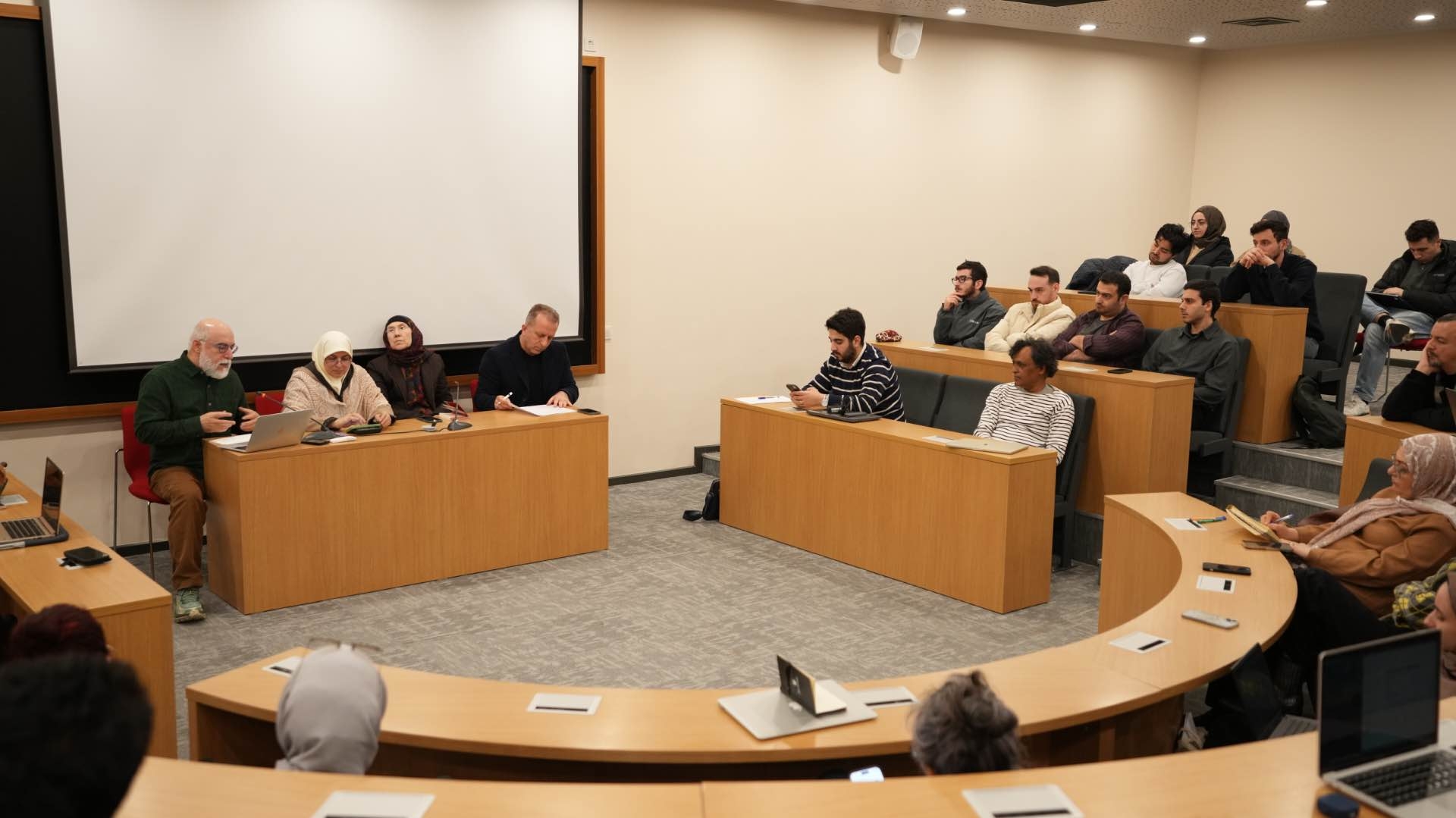
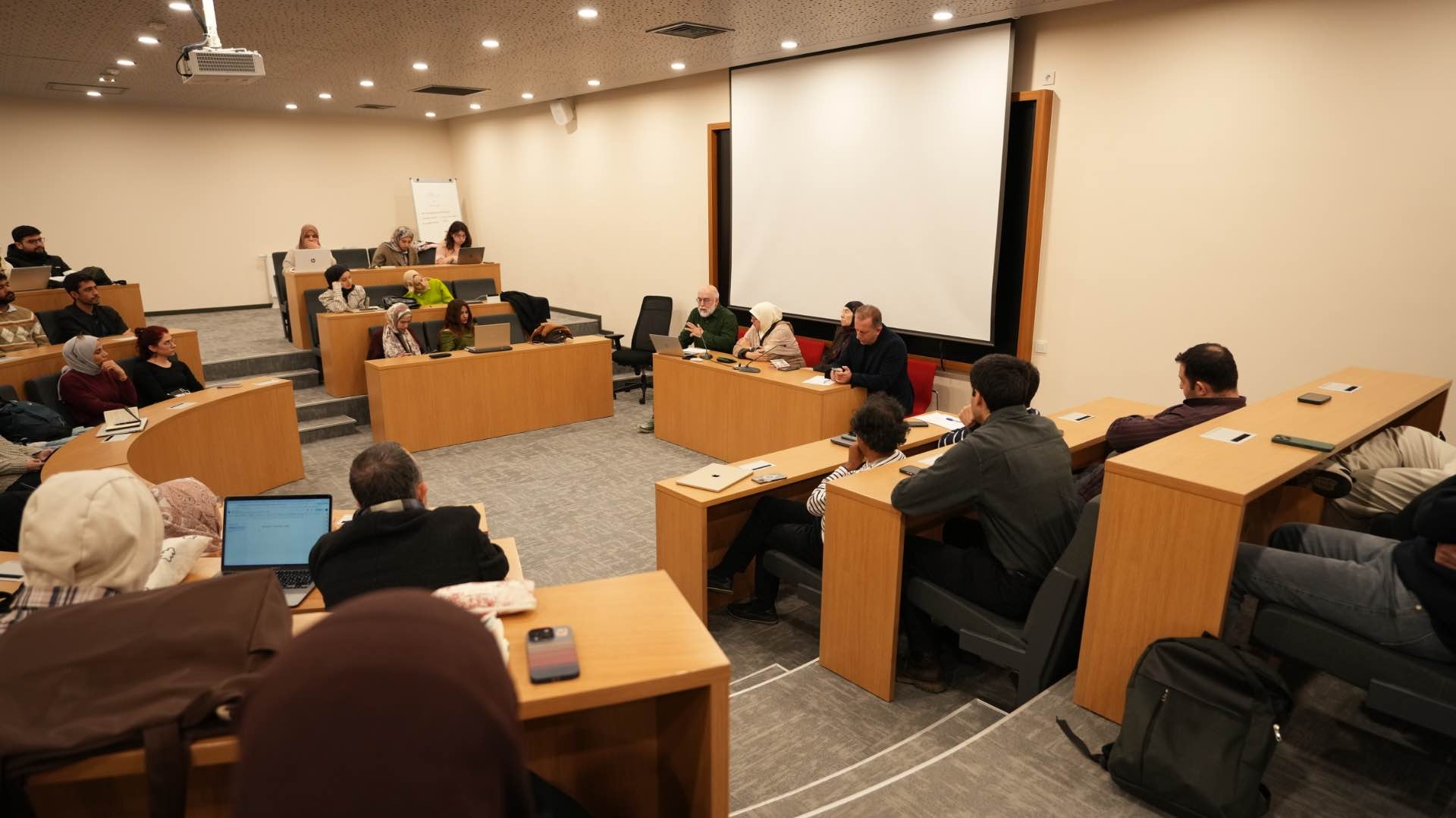
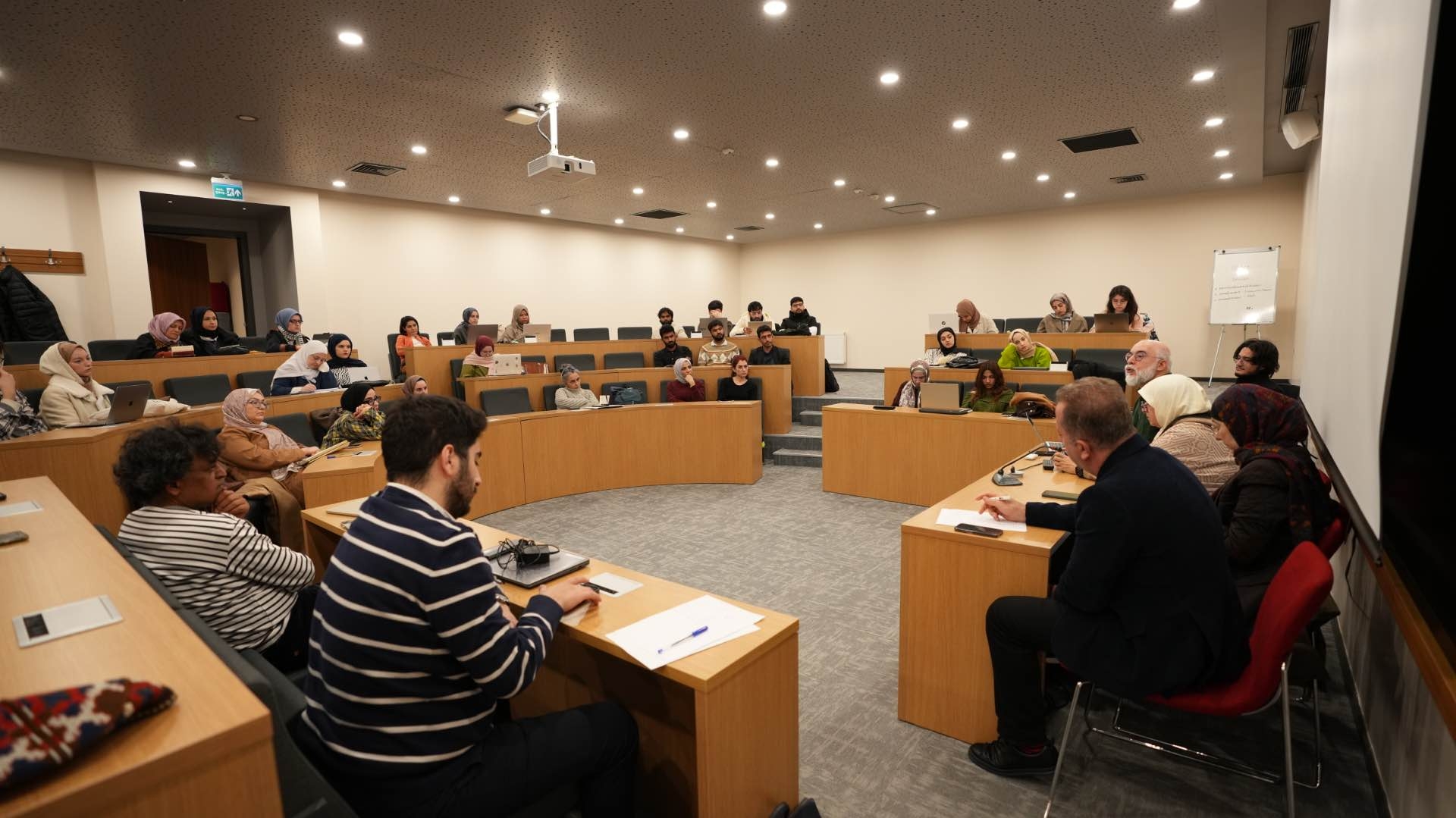
Within the framework of the Sociology Talks series organized by the Department of Sociology, the intellectual legacy of Said Nursi was examined through modern sociological perspectives. Moderated by Dr. Heba Ezzat, the event featured a presentation by Prof. Mücahit Bilici titled “Said Nursi and Modern Muslim Subjectivity,” with Prof. Ramazan Aras and Prof. Alev Erkilet contributing as discussants.
Prof. Mücahit Bilici described Nursi’s works as an “Ecological Tafsir,” a perspective that regards nature as a primary field of revelation. He emphasized that Nursi rejected the dualism between reason and spirituality, bringing together philosophy and Sufism in a distinctive intellectual synthesis. Within this framework, Prof. Mücahit Bilici argued that Islamism in Nursi’s thought should be understood not as a search for a political identity but rather as an ontological quest for truth.
The presentation also analyzed Nursi’s metaphysics of the self in comparison with Karl Marx’s theory of social bonds. While Marx viewed material dependency as the force holding society together, Nursi elevated this relationship to a universal level of neediness (faqr) and impotence (ʿajz). This ontological condition of dependence, it was argued, creates a non-proprietary network of compassion (shafaqa) among beings.
Thinking From a Unique Perspective Was Highlighted
From the perspective of political philosophy, Prof. Alev Erkilet noted that Nursi’s concept of “Meşrutiyet-i Meşrua”(legitimate constitutionalism) advocated for a form of democracy grounded in justice and rooted in a moral understanding of Sharia. Nursi’s conciliatory approach toward relations between Turks and Kurds, as well as his intellectual resistance to Western imperialism, were discussed as significant sociological cases.
In his reflections, Prof. Ramazan Aras emphasized that sociological theory should not be limited to the Western intellectual tradition and that non-Western intellectual heritages can serve as important sources for theoretical development. In this context, he argued that Said Nursi offers a valuable example for sociological theorization. According to Aras, Nursi’s analyses of modernization, society, morality, knowledge, and belief provide an original framework that allows for a reconsideration of the relationship between the individual and society.
Prof. Ramazan Aras stressed the importance of evaluating Nursi within the historical context of his time. He noted that Nursi engaged with the social and political challenges of his era by drawing upon Islamic sources and proposing responses to the problems faced by his society. The speech came to an end with his last words; the conceptual language employed by Nursi offers possibilities for moving beyond Eurocentric theoretical frameworks and opens space for alternative sociological perspectives.
Photos
Related Content

Our Sociology Alumni Accepted into Master’s Programs at Prestigious National and International Universities

Our PhD Student Akbar Mohammadi Kahrizeh’s Thesis Titled “The Politics of Religiosity and Secularism” Published as a Book

Ayesha Syed Becomes PhD Defending Her Dissertation “(De)Constructing Pakistaniyat: A Saga of Dissemination of Master and Counter Narratives” Successfully

Our Visiting Faculty Member Prof. Mücahit Bilici’s Article Published in Vienna Yearbook of Kurdish Studies

Our PhD Candidate Neveen Fathi Abouldahab Presented Her Research at International Academic Events

Dr. Yasemin Özer Presented Her Research on Care Poverty and Care Inequalities at EASA 2026

Article Co-Authored by Our PhD Graduate and Visiting Researcher Dr. Dalal Bajes Published in the Q1 Indexed Journal of Palestine Studies
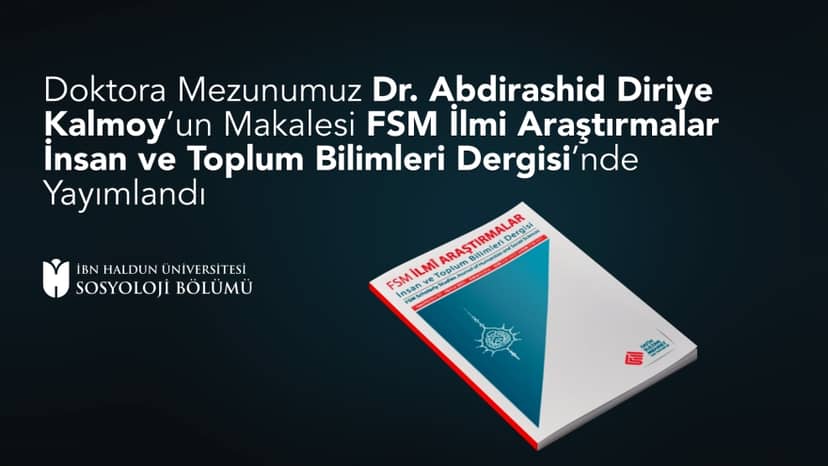
Article by Our PhD Graduate Dr. Abdirashid Diriye Kalmoy Published in FSM Scholarly Studies Journal of Humanities and Social Sciences
